Java tutorials, experiments, and real-world projects by Frank Delporte,
Java Champion, Technical Writer at Azul, and lead maintainer of Pi4J.
Whether you're running Java on a Raspberry Pi, building desktop UIs with JavaFX,
exploring RISC-V single-board computers, or diving into JVM internals — you're
in the right place.
Topics: Java, JavaFX, Lottie4J, Pi4J, Java on Single-Board Computers, and much more...
📘 Book: Getting Started with Java on the Raspberry Pi
🎙️ Foojay and other Podcasts
📺 Videos
🗣️ Presentations
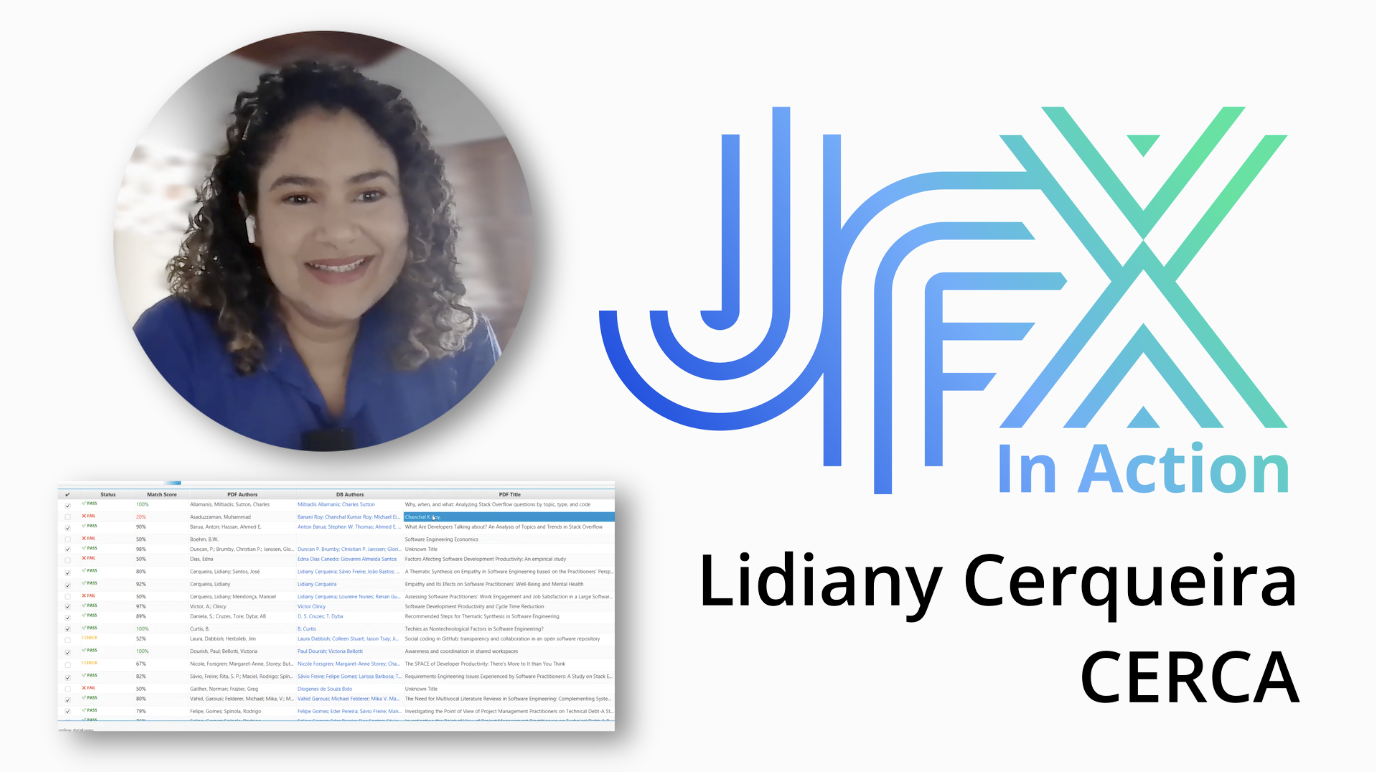
JavaFX In Action #25 with Lidiany Cerqueira about CERCA, a tool to detect hallucinated references in scientific papers
Every week I collect a list of posts, social messages, videos, etc. related to JavaFX on the JFX Central Links Of The Week. That’s how I recently found a message from Lidiany Cerqueira on LinkedIn about CERCA. It’s a tool she created during her Christmas break to detect false/hallucinated references in scientific manuscripts.
JavaFX Links of January 2026
Here are the JavaFX LinksOfTheMonth of January 2026. You can find the weekly lists on jfx-central.com. Did we miss anything? Is there anything you want to have included in one of the next overviews? Let us know via links@jfx-central.com.
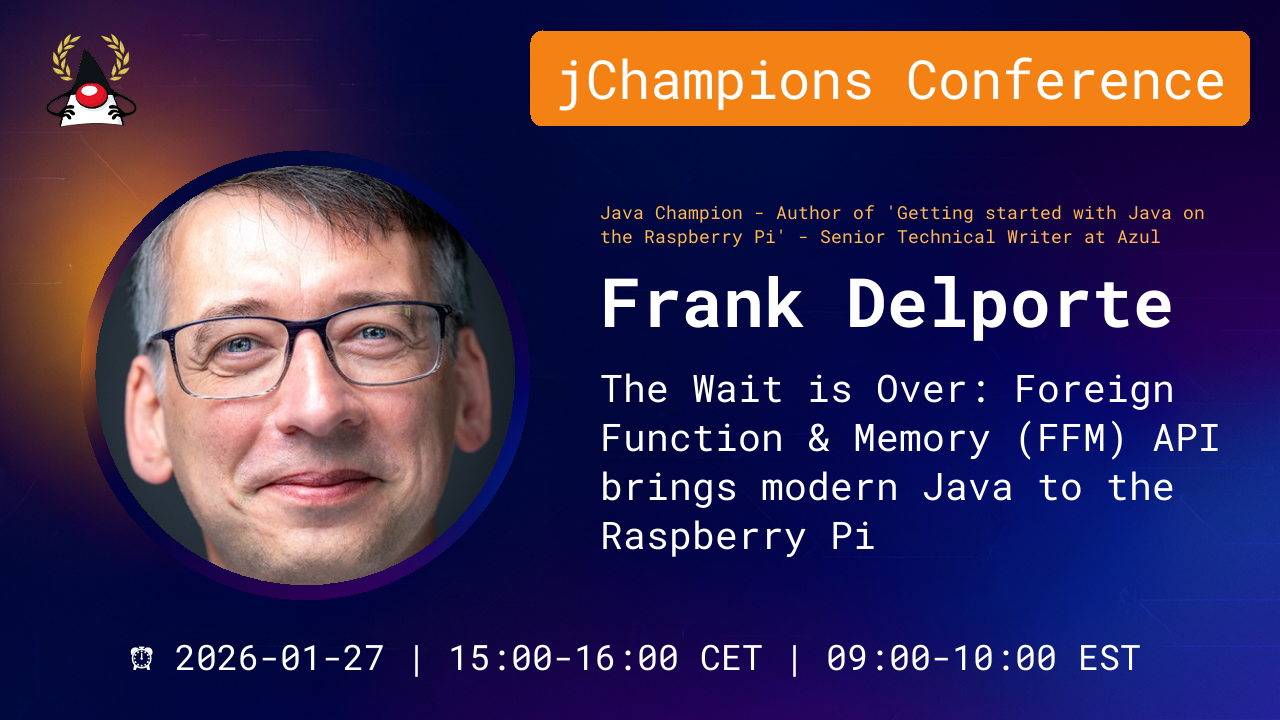
Links from the jChampions Conference talk 'Foreign Function & Memory (FFM) API on Raspberry Pi'
These are the links from the jChampions Conference online talk, on January 27, 2026: “The Wait is Over: Foreign Function & Memory (FFM) API brings modern Java to the Raspberry Pi”.
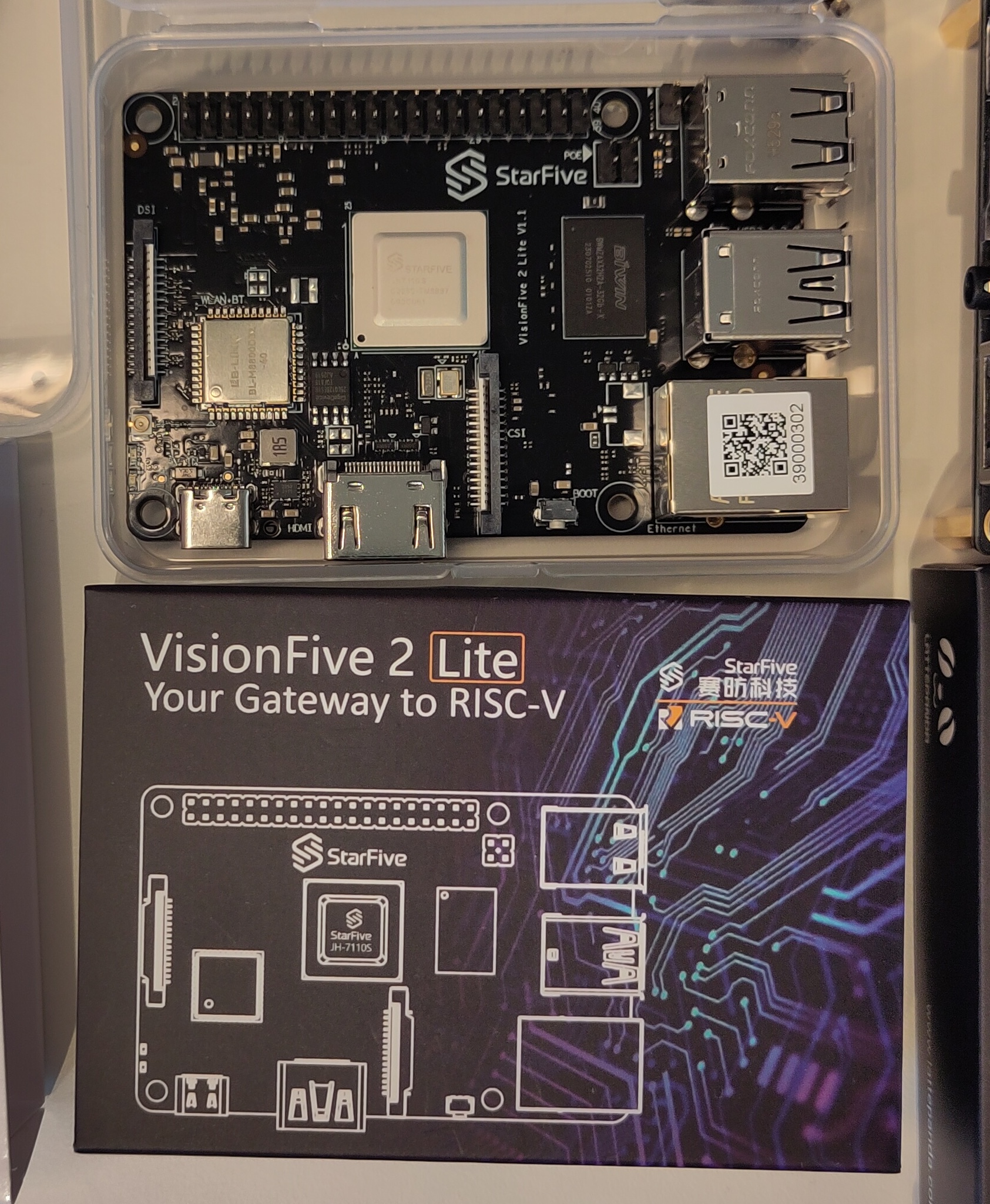
First Test of Java on the StarFive VisionFive 2 Lite (RISC-V)
As part of my 2026 learning goals around Java on RISC-V (see this post about x86 versus ARM versus RISC-V), I’ve asked various suppliers to send me evaluation boards. I already published about two and adding a third one now:
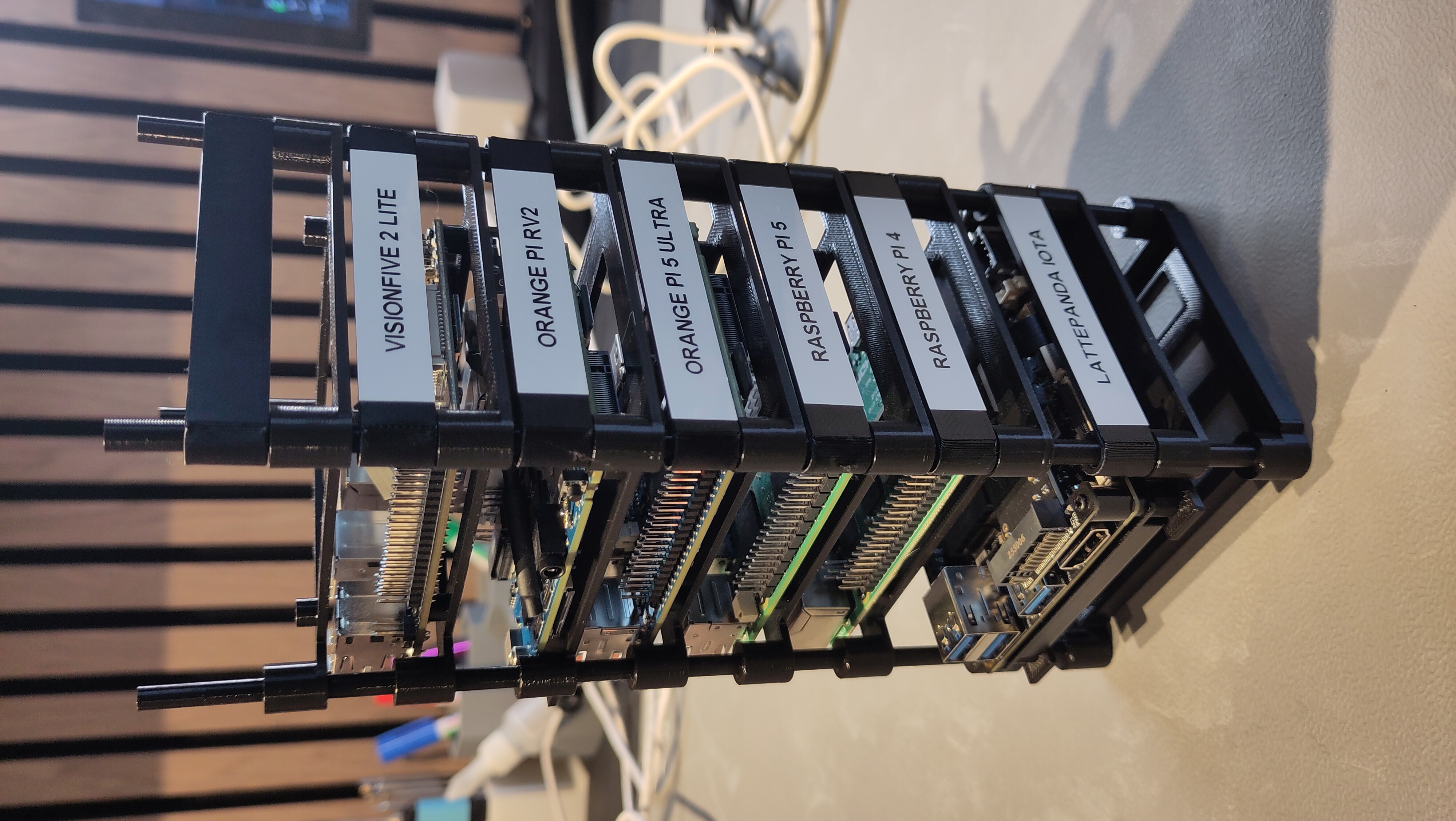
Keeping Single-Board Computers Organized with a 3D Printed Stack
As I shared in previous posts, I want to learn and experiment more with different types of single-board computers in 2026. But I also want to keep them organized and easily accessible. Following the Clean Desk Policy (CDP) in my little home-office also keeps my mind clean :-)
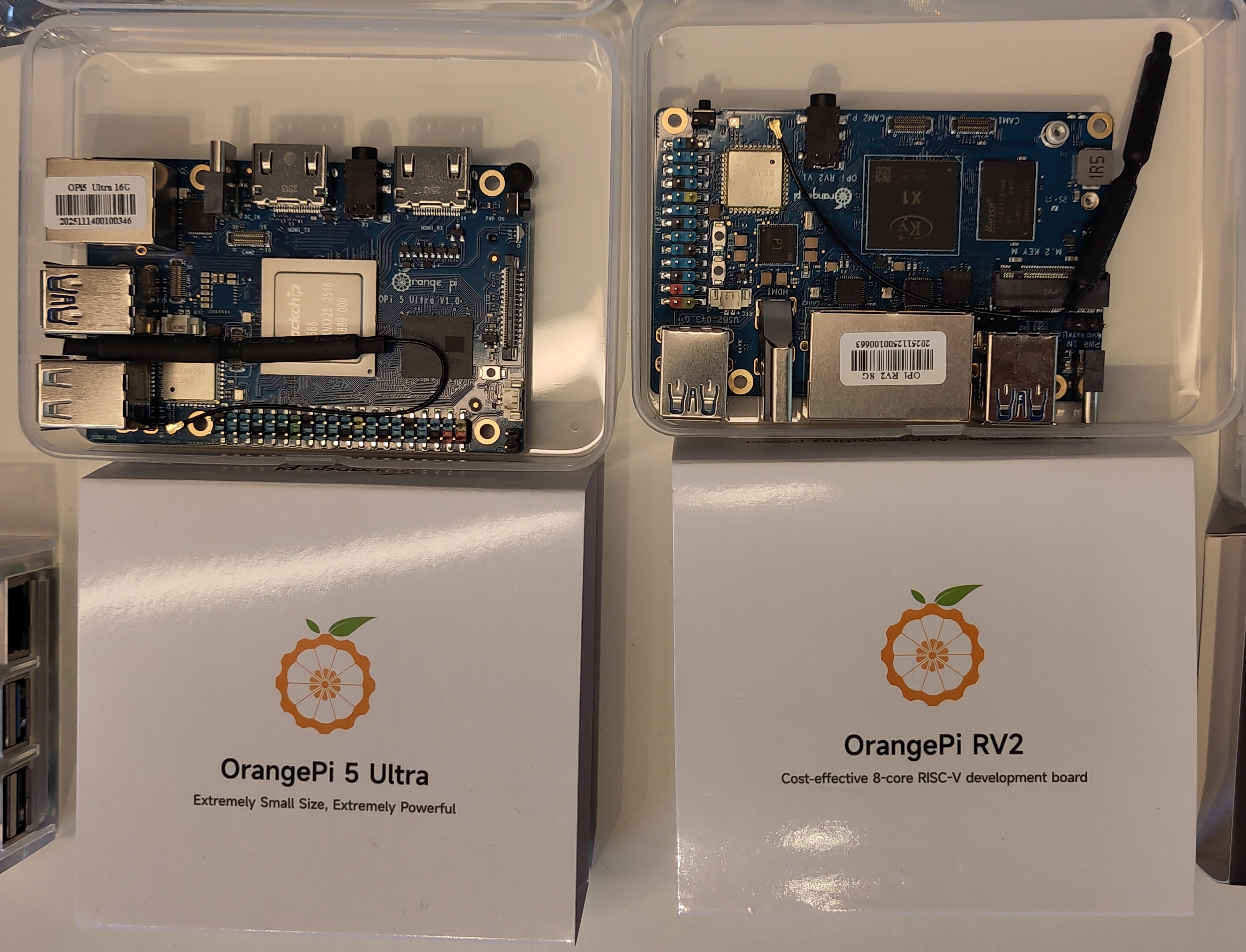
First Test of Java on the Orange Pi (ARM and RISC-V)
As part of my 2026 learning goals around Java on Single Board Computers and RISC-V (see this post about x86 versus ARM versus RISC-V), I’ve been asking various suppliers to send me evaluation boards. After testing the LattePanda IOTA, I received two boards from OrangePi to evaluate: the OrangePi 5 Ultra (ARM) and the OrangePi RV2 (RISC-V).
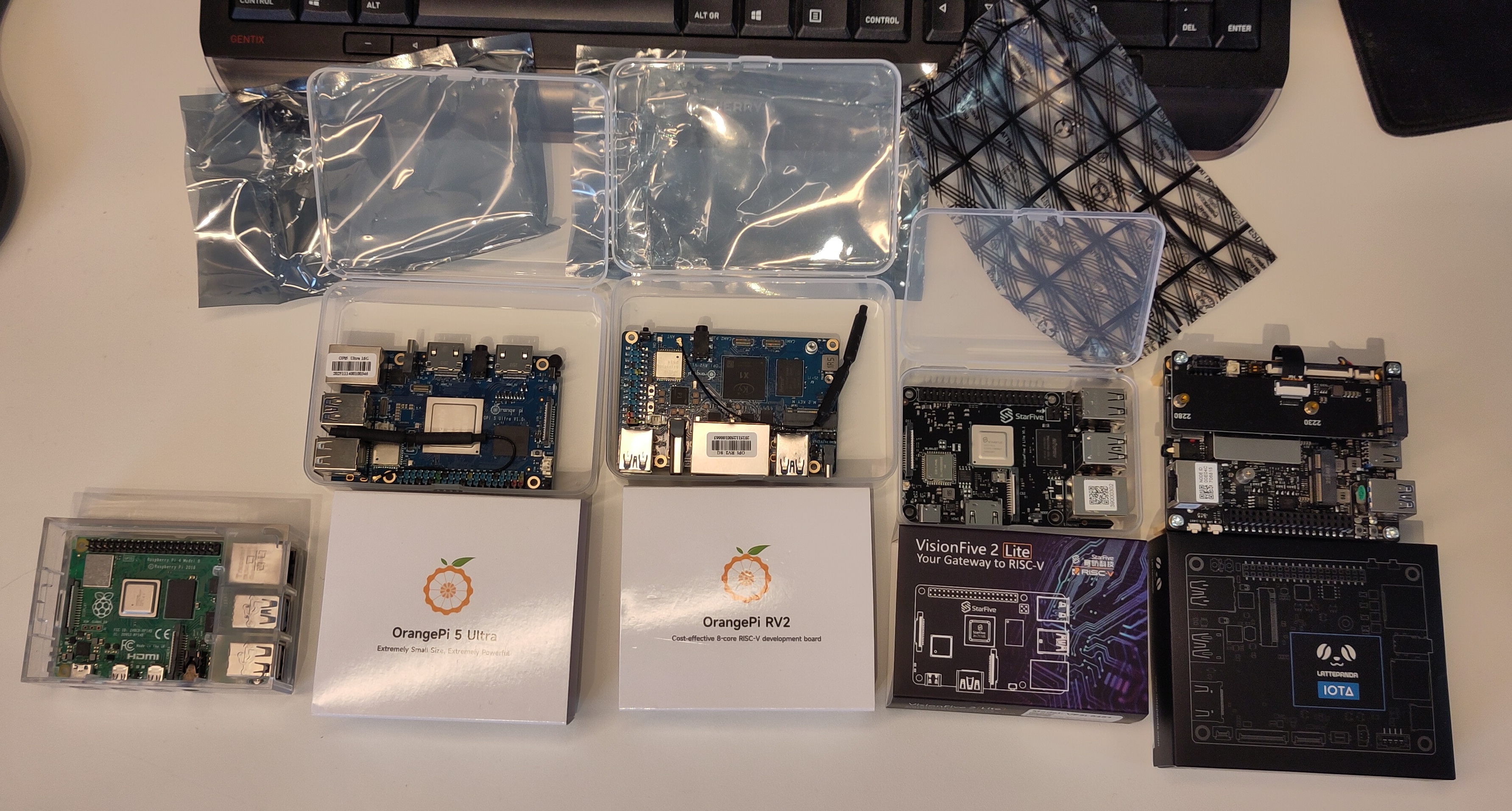
Single Board Computers: x86 vs ARM vs RISC-V
Ever since I started my #JavaOnRaspberryPi journey in 2019, which resulted in my book “Getting Started with Java on the Raspberry Pi”, I’ve been fascinated with these tiny, inexpensive computers. For 2026, I’ve set one of my goals to experiment with Java on various Single-Board Computers (SBC), going beyond my “Raspberry Pi comfort zone.” The market is flooded with SBCs ranging from budget boards (tens of euros) to powerhouses (hundreds of euros). One of the reasons of this price range is the difference between the processors they use. Raspberry Pi uses an ARM processor, but RISC-V is gaining momentum, while Intel maintains its presence. So before I start experimenting, now is the perfect time to compare these three processor families and understand their differences.
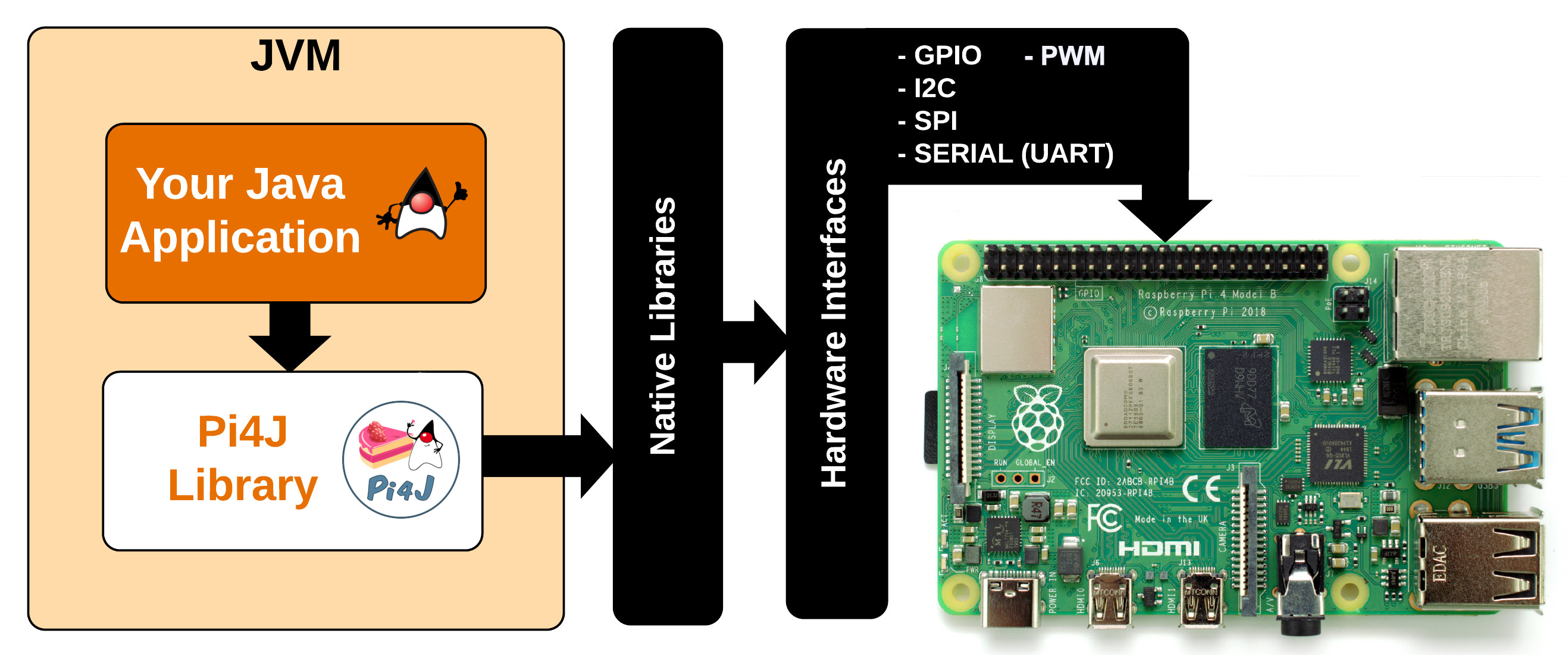
The FFM API: How OpenJDK Changed the Game for Native Interactions (And Made Pi4J Better!)
This is a crosspost from the article I contributed to this year’s JVM Advent. The Pi4J project is a Java library that allows you to control the GPIO pins and electronic components connected to a Raspberry Pi with pure Java code. It removes the complexity of using native libraries and the Java Native Interface (JNI), allowing you to focus on your application logic.
JavaFX Links of December 2025
Here is the final JavaFX LinksOfTheMonth for 2025… Thank you all for sharing your knowledge and experience with JavaFX. And we hope to see even more in the next year!
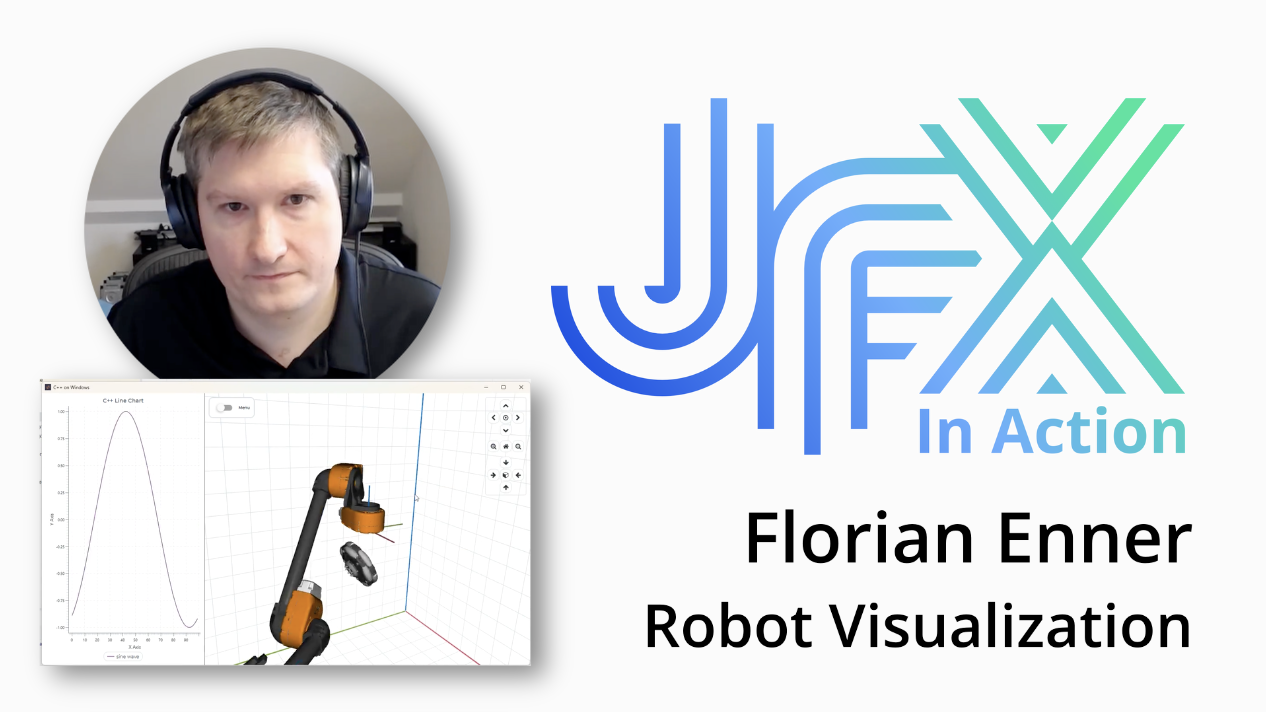
JavaFX In Action #24 with Florian Enner about Robot 3D Visualizations and Charts
I met Florian Enner a few times at Devoxx in Belgium, and each time he amazed me with his JavaFX demos! He is one of those rare developers who take JavaFX to the next level by adding 3D visualizations.