Lottie4J 8
Lottie4J brings LottieFiles animation support to Java and JavaFX. These posts follow its development, from early experiments and rendering challenges to release milestones and practical usage examples.
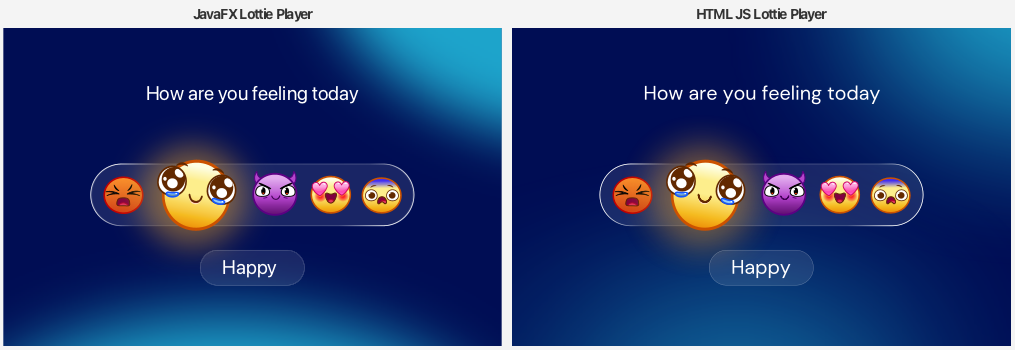
Closing the Visual Gap Between the Official Lottie Webplayer and Lottie4J
A Lottie library is only as good as its output looks. If an animation renders differently in Lottie4J than it does in the official web player, that’s a bug, even when no …
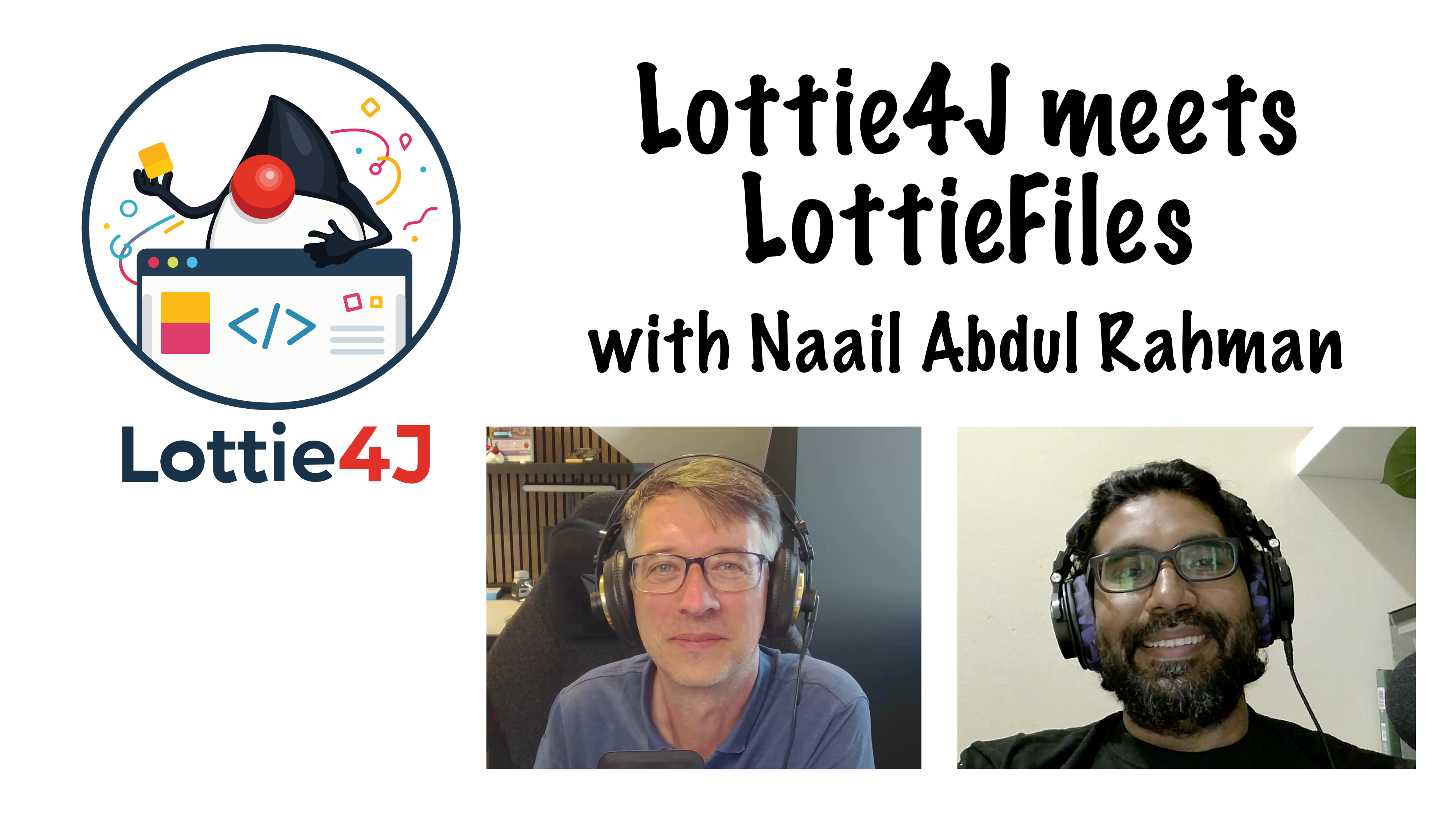
Lottie4J Meets LottieFiles: A Conversation with Naail Abdul Rahman
Lottie animations run on Android, iOS, and the web. Getting them working on the JVM is a different story. Lottie4J started as a question: can JavaFX render them without a WebView? …
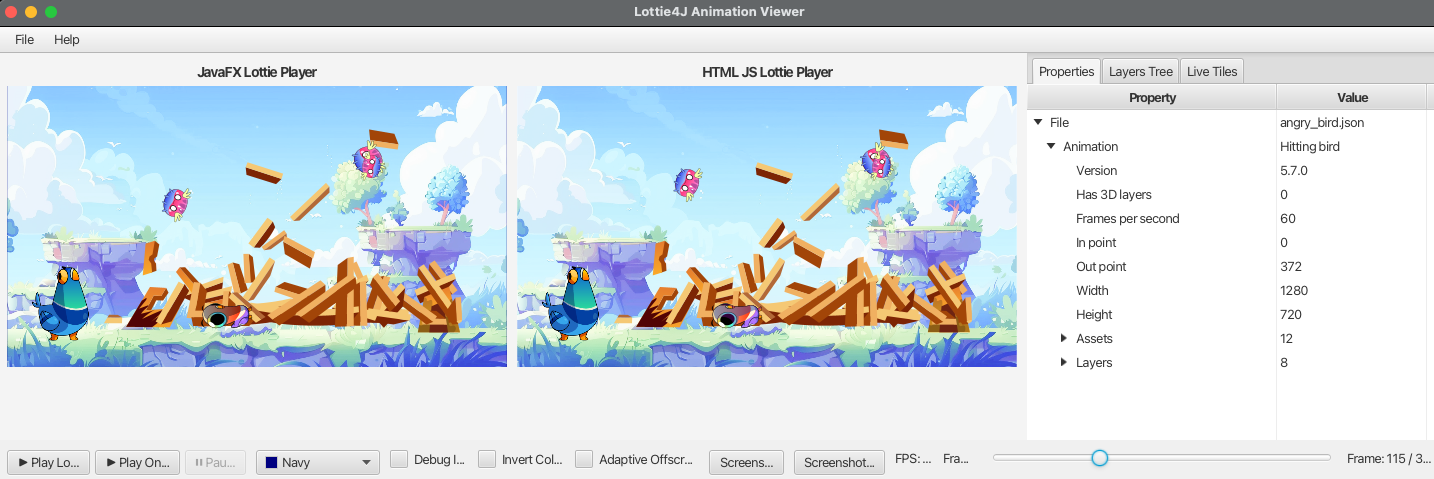
Testing Lottie4J JavaFX Animations in GitHub Actions Without a Display: JavaFX 26 Headless to the Rescue
When I released Lottie4J 1.1.0, I mentioned something a bit embarrassing in the release notes and this blog post: there was a new unit test to compare the JavaFX player output …
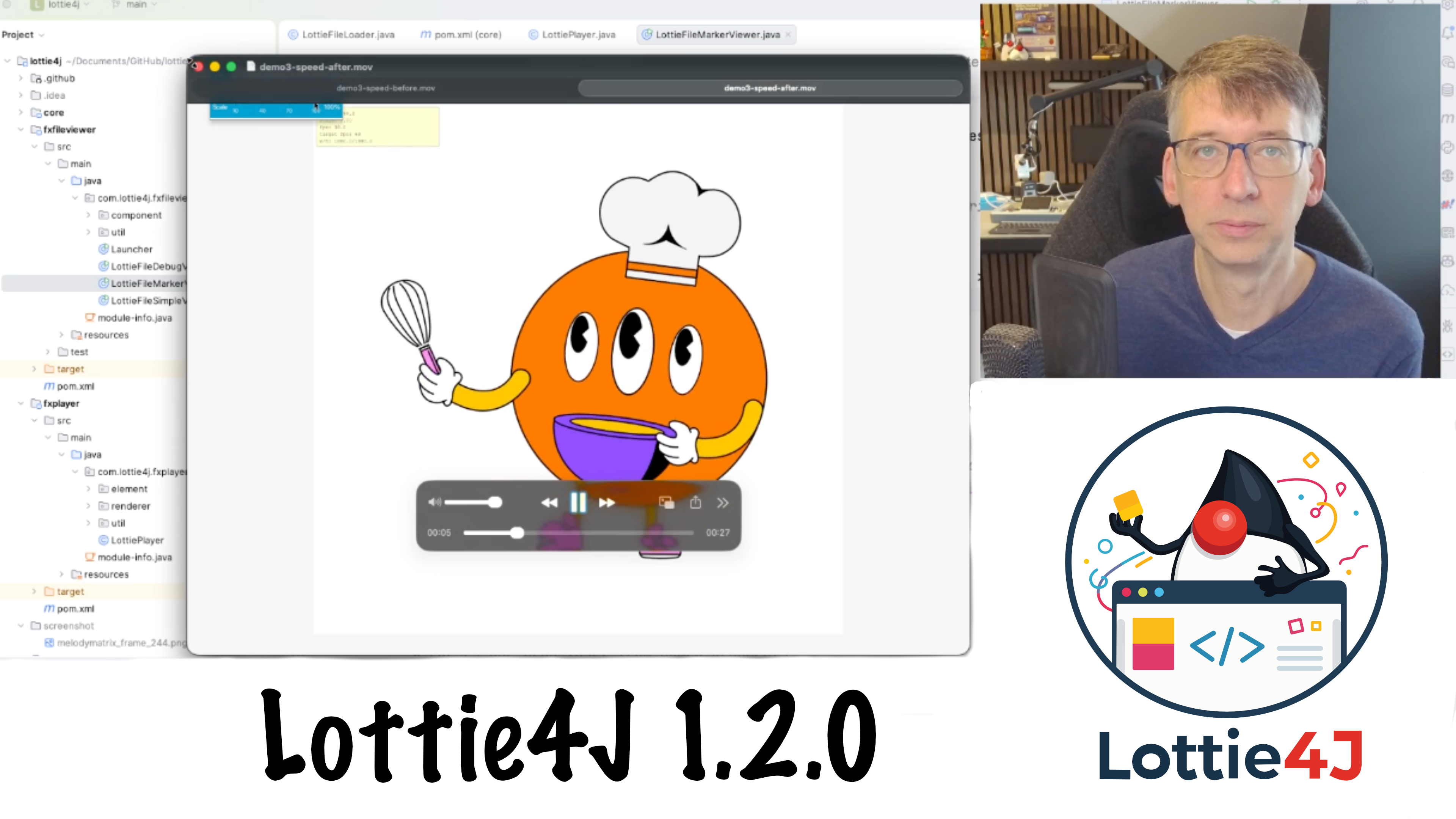
Lottie4J 1.2.0: dotLottie Support, Marker Playback, Cropping, and a Big Speed Boost
Version 1.2.0 of Lottie4J is out, and it’s again a big release! The headline feature is support for the .lottie container format, but that’s just the start. This …
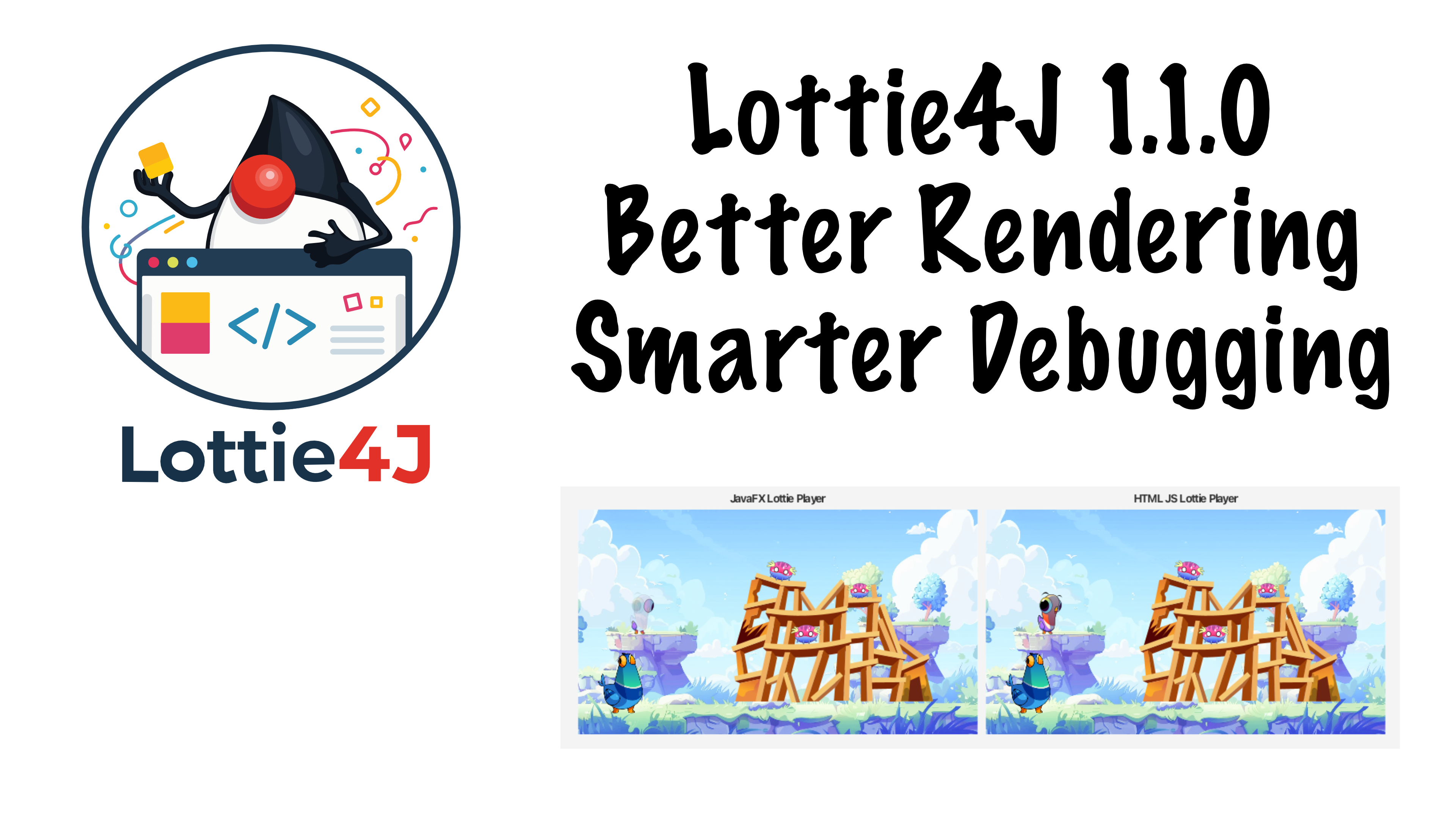
Lottie4J 1.1.0: Better Rendering, Smarter Debugging, and an animated Lottie4J Logo!
Just one week after the first public release of Lottie4J, the open-source Java library for rendering Lottie animations in JavaFX, version 1.1.0 is already out. And it’s a big …
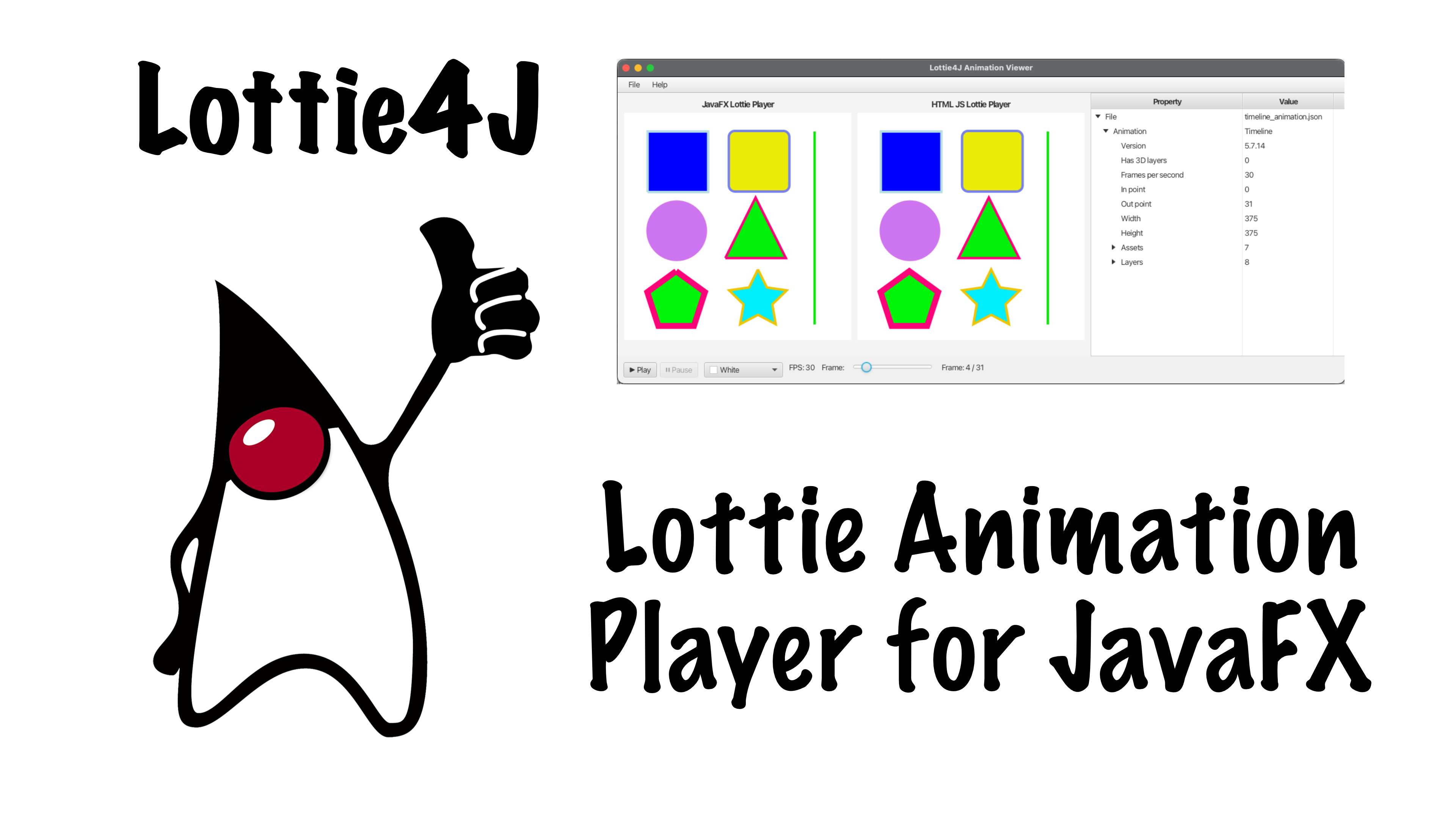
Introducing Lottie4J, a Java(FX) Library to Parse and Play Lottie Animation Files
I’m proud to present a new JavaFX library: Lottie4J, that brings Lottie animations to JavaFX applications. I first learned about Lottie many years ago when we were developing …
One Year as a Technical Writer at Azul: A Journey of Growth and Learning.
Writing has always been my passion, and even in my previous jobs as a developer, I stood out as the one who enjoyed creating and maintaining documentation. But June 9th, 2023, …
Open Source Projects
I spend a fair amount of time building and maintaining open-source Java projects. Most of them started from a personal itch (run Java on a Pi, render Lottie animations in JavaFX, …